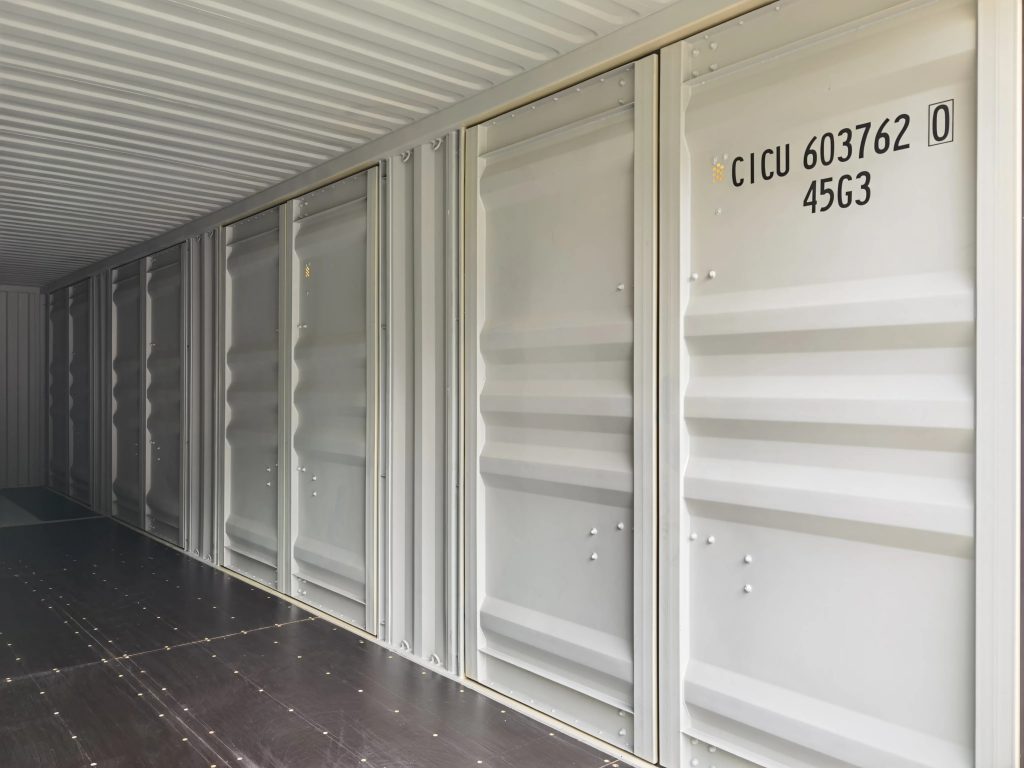
Exploring the World of 45-Foot Containers
In the complex world of shipping and logistics, container dimensions play a crucial role in identifying performance and cost-effectiveness. Among the different sizes available, the 45-foot container stands out for its versatility and capacity. This detailed guide will look into the features, benefits, utilizes, and specifications of 45-foot containers, while also addressing frequently asked questions.
What is a 45-Foot Container?
A 45-foot container is a shipping container developed for carrying products over long ranges. Usually made of steel, these containers are developed to stand up to harsh environmental conditions while providing a safe and roomy environment for cargo. The increase in appeal of this size can be associated to its adequate interior space compared to the more conventional 20-foot and 40-foot containers.
Key Specifications
| Requirements | Determined Value |
|---|---|
| External Length | 13.7 meters (45 ft) |
| External Width | 2.44 meters (8 ft) |
| External Height | 2.59 meters (8.6 ft) |
| Internal Length | 13.5 meters (44.5 ft) |
| Internal Width | 2.35 meters (7.7 ft) |
| Internal Height | 2.39 meters (7.9 ft) |
| Maximum Payload | Approximately 30,480 kg (67,200 pounds) |
| Volume Capacity | 76.4 cubic meters (2,703 cubic feet) |
The dimensions of 45-foot containers can differ somewhat based on the maker, however these requirements normally remain constant throughout standard designs.
Benefits of Using 45-Foot Containers
1. Increased Space
Among the main advantages of using a 45-foot container is the additional space it uses. With roughly 33% more space than a standard 40-foot container, carriers can optimize their payload, which equates to higher effectiveness for each shipment.
2. Cost-Effectiveness
While the upfront rental or purchase cost might be higher, the extra capacity can result in lower shipping costs per system. Companies can enhance their freight logistics by transferring more products per journey, decreasing the frequency of deliveries.
3. Adaptability
45-foot containers are highly versatile and can accommodate a large range of goods, from jam-packed furniture to bulk products and refrigerated cargo. This flexibility makes them ideal for various markets, consisting of retail, production, and farming.
4. Boosted Security
These containers are developed with strong locking mechanisms and are made of durable products, offering robust defense for shipments. Leg1 Container and lessens the danger of theft or damage throughout transportation.
5. Global Availability
Due to their extensive usage, 45-foot containers are easily available for rent or purchase around the world, making them an available choice for importers and exporters alike.
Typical Uses of 45-Foot Containers
Here are some popular applications of 45-foot containers:
- Shipping Furniture: Ideal for transporting household goods and office furnishings.
- Agricultural Products: Suitable for moving bulk agricultural items, such as grains or packaged goods.
- Vehicle Transport: Used to deliver lorries that can be stacked.
- Retail Distribution: Perfect for transporting retail goods in bulk to circulation centers.
- Cooled Transport: Available in a cooled variation, permitting the safe transport of disposable items.
Limitations of 45-Foot Containers
In spite of their many benefits, it's important to think about potential restrictions when using or leasing 45-foot containers:
1. Restricted Availability in Some Regions
While 45-foot containers are extensively used worldwide, they might not be as readily offered in particular locations compared to basic sizes like 20 or 40 feet.
2. Dealing with Challenges
The bigger size may provide logistical obstacles in terms of handling and maneuverability. It's important for services to ensure that their centers and transportation methods are geared up to manage these containers effectively.
3. Weight Restrictions
Depending on the port and particular guidelines, weight limits may impact how efficiently a 45-foot container can be filled, especially for much heavier products.
45-Foot Container Variants
- Requirement Dry Containers: Most frequently used for basic cargo.
- Reefer Containers: Temperature-controlled, ideal for carrying perishables.
- High Cube Containers: Offering an additional foot of height for more space.
- Open Top Containers: Enabling the transport of oversized cargo that can not fit through standard doors.
Often Asked Questions (FAQ)
1. How Much Does a 45-Foot Container Weigh?
A basic empty 45-foot container usually has a weight of around 3,900 kg (8,598 pounds).
2. What Can You Fit in a 45-Foot Container?
You can fit around 76.4 cubic meters of cargo, which might consist of anything from machinery to pallets of goods.
3. How Much Does it Cost to Rent a 45-Foot Container?
Rental costs differ significantly based upon place, period, and the type of container required, but normally range from ₤ 100 to ₤ 300 per month.
4. Can You Ship a 45-Foot Container by Air?
No, 45-foot containers are designed for maritime shipping and are not appropriate for air transport due to their size and weight.
5. Are there regulations for packing a 45-Foot Container?
Yes, it is necessary to stick to weight constraints and distribution standards to ensure security and compliance during transport.
45-foot containers offer a wealth of advantages for companies wanting to enhance their shipping processes. Whether in retail, farming, or production, these containers supply ample space, improved security, and flexibility. While they feature some limitations, their benefits generally outweigh the disadvantages. With an understanding of this container type, services can make tactical decisions to enhance their logistics and improve their bottom line.